
About Literacyheart
The science of reading gave classrooms something they needed: a clear, honest focus on how children learn to lift words off the page. That work matters, and it’s working. Literacyheart focuses on the way the word-reading work supports the other “half” and the outcome of the same science: language comprehension and reading comprehension. This “half” is the quiet, intricate thing a reader does, with lots of support, to grow into a someone who can comprehend.
Comprehension is the part we still don’t teach or measure as confidently. We know knowledge building matters. We know read aloud matters. We know the number of words read correctly per minute matters. These are essential, and the field is right to lean into them. But on their own, even these biggies don’t carry a reader all the way home, because comprehension is more than the sum of its inputs. It’s what a reader does to integrate them in the moment, gathering everything into one evolving picture that really makes reading magic happen.
That picture in a reader’s head has a name, a mental model. It’s a living sense of who is doing what, and why, that a reader keeps building line-by-line. Eight conditions feed our mental models. Each of the eight are either barriers to or enablers of comprehension. As literacy educators, our work is making the in-the-head models noticeable and teachable.
We see the unique challenges of comprehension instruction as an opportunity, not a problem to teach away. It’s where we get to honor the economy of reading, the finite attention and working memory every reader spends in real time. We get to let instruction follow how the brain actually learns, which means gently resisting the pull toward any one totalizing solution. A single fix is easier to hold and easier to teach; the mind reaches for it by default. It’s our nature. But Reading (with a capital R) was never one thing. It’s a coordination that can be practiced.
Built on the research, designed for the classroom, our goal is to offer clear, usable tools that help meaning take hold — from a free one-pager you can print tonight to a lesson you’ll teach in the morning. At the same time, we aim to offer a sound but accessible translation that moves reading science from the theoretical to the actionable.

Brought to you by
Dr. Jan Burkins has spent more than 30 years working with children, teachers, and school leaders. She co-authored the bestselling Shifting the Balance series and its companion website, which have helped thousands of teachers bring the science of reading into their everyday K–5 practice. Her work has always been about pressing past the easy answer and confirmation bias toward the harder, truer response. Literacyheart is where that conviction lives now, in the messy middle between sound science and the lessons we teach with skill and heart.
Meet Jan at DrJanBurkins.com →Collaborators
A literacy professor, consultant, and author whose work centers children, teachers, and the joyful, evidence-based practices that bring reading to life. A former New York City classroom teacher and literacy specialist, she now prepares the next generation of teachers and consults with schools nationwide. She makes the case that comprehension and joy are not competing goals but the same one.
Meet Katie at KatieEganCunningham.com →
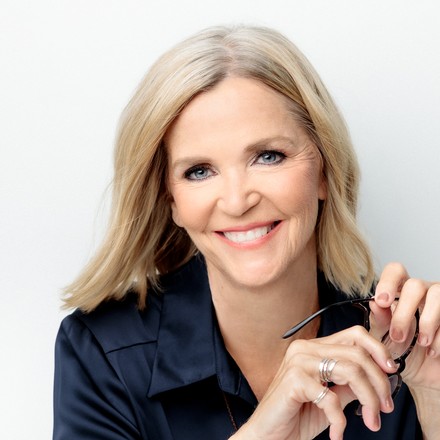
A literacy consultant, author, and educational leader whose work centers on helping educators bridge research and practice with clarity and confidence. Drawing on decades of experience as a classroom teacher, principal, and district literacy leader, Kari provides practical guidance that helps build strong literacy systems sustained by confident educators. She believes every educator deserves the opportunity to see what’s possible and the support to take the next thoughtful step.
Meet Kari at KariYates.com →AI Statement
AI tools help us draft, design, and produce, but every resource is shaped, reviewed (over and over), and approved by a human educator before it’s published. We’re idea people, and AI helps us get what’s in our heads out faster (maybe). We still read the research, question it, push on it, and bring all our perfectionism to the work. Every tool here represents hours of research and design, even when AI helps.